Unlocking Learning Through Play: The Power of Sandbox and Educational Games
In the sphere of education, the integration of play into learning processes is a game changer. Sandbox games and educational games have opened new avenues for engaging students in ways that traditional teaching methods often fail to do. In this discussion, we delve into the mechanisms of how these innovative game types can transform learning experiences, particularly focusing on their ability to foster creativity, critical thinking, and problem-solving skills.
Understanding Sandbox Games
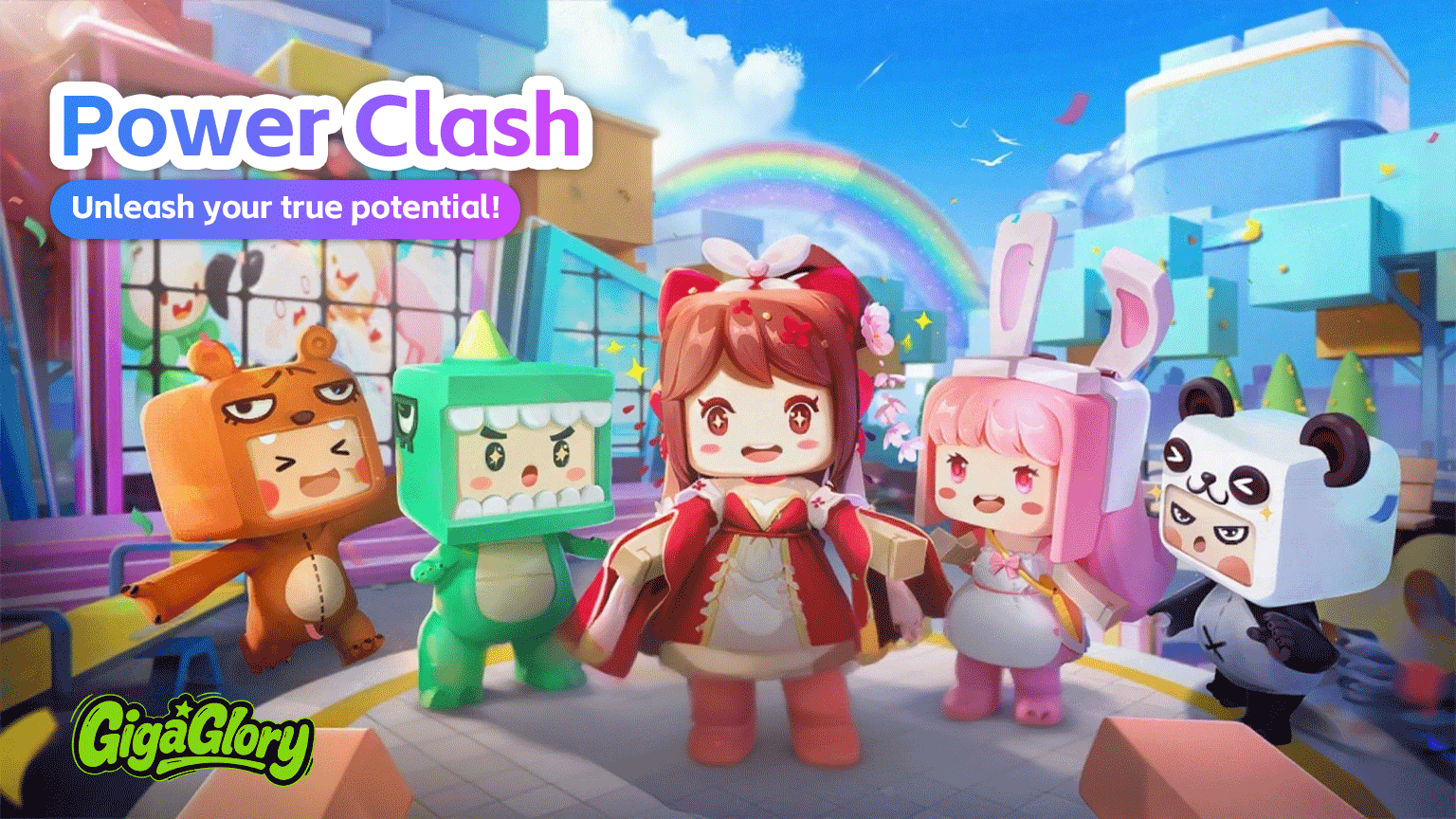
Sandbox games are interactive environments that allow players to explore and create freely. Unlike structured games that guide players along a specific path, sandbox games provide autonomy. This kind of open-world gameplay encourages players to experiment, explore, and express creativity without the fear of making mistakes.
Key Features of Sandbox Games:- Open-world exploration
- Creative building and customization
- Emphasis on player-driven narratives
- Non-linear gameplay
The Role of Educational Games
Educational games aim to teach specific skills or concepts while still providing entertaining gameplay. These games encompass a wide array of subjects, from mathematics to language learning, often using gameplay mechanics to reinforce learning objectives.
Benefits of Educational Games:- Interactive learning experiences
- Immediate feedback on performance
- Improved retention of information
- Motivation through gamification
Combining Freedom and Learning
The blend of sandbox elements within educational frameworks creates a unique learning environment. Players are not only tasked with completing objectives but also encouraged to create and innovate. This autonomy can enhance engagement, making learning a compelling and enjoyable process.
How Sandbox Games Promote Critical Skills
Engagement in sandbox games can help cultivate critical skills among players. Here’s a list of skills that can be developed:
- Problem-Solving: Players navigate challenges that require thoughtful strategies.
- Creativity: Building and altering environments unleash imaginative capabilities.
- Collaboration: Many sandbox games support multiplayer features, fostering teamwork.
- Adaptability: Players must adapt to unexpected changes within the game, fostering resilience.
Insights from Research
Studies indicate that the incorporation of games in educational settings significantly boosts motivation and learning outcomes. A recent study showed that students engaging with sandbox educational games demonstrated 25% more retention of information compared to traditional methods.
Exploring Story Mode PSP Games
Among the varied educational game styles, story mode PSP games have gained popularity. These games provide structured narratives that can deliver rich storytelling combined with challenges that enhance learning.
Benefits of Story Mode Games:- Engaging narratives that captivate players
- Structured gameplay enhances learning pathways
- Opportunities for role-playing and character development
RPG Games Maker: A Creative Opportunity
For those interested in game development, tools like RPG Games Maker provide a platform to design educational RPGs. This empowers educators to create personalized learning experiences that cater to their students' needs.
Practical Applications in the Classroom
Integrating sandbox and educational games into the classroom can take numerous forms. Here are some suggestions:
- Utilizing sandbox games for group projects.
- Assigning educational game tasks to supplement traditional lessons.
- Creating a game design project as part of the curriculum.
Challenges and Solutions
Although the benefits of sandbox and educational games are substantial, there are challenges to consider. Issues such as accessibility, tech integration, and maintaining a balance between play and educational objectives can arise. Some potential solutions include:
- Providing training for educators on tech integration.
- Ensuring access to necessary technology for all students.
- Balancing game time with instructional time to maximize learning.
Future Trends in Education and Gaming
The future of education meshes closely with gaming trends. The rise of virtual reality (VR) and augmented reality (AR) technologies holds immense potential for sandbox educational experiences. Imagine walking through a historical site or exploring the human body—all from the classroom! As our digital landscape evolves, so too will the tools we utilize for learning.
Conclusion
In conclusion, sandbox and educational games represent powerful tools for enhancing learning. By fostering creativity, critical thinking, and adaptability, they enrich educational experiences in an engaging manner. As technology continues to advance, so too does the potential for these games to transform how we educate the next generation.
Whether you’re an educator looking to inspire students or a parent wanting to enrich your child’s learning, stepping into the realm of sandbox education may just unlock untapped potential. The future of learning is indeed playful.